
Air Conditioning Installation Maui: 5 Steps to Choose the Right System (Easy Guide for Property Managers)
- Alltemp

- Feb 25
- 5 min read
When your tenant calls about a broken AC unit in the middle of summer, you're already behind. As a property manager overseeing multiple units across Maui or Oahu, you know that air conditioning installation isn't just about keeping people comfortable, it's about protecting your investment, maintaining property value, and avoiding those 2 AM emergency calls that nobody wants to deal with.
The challenge? Choosing the right HVAC system for Hawaiian properties involves more than just picking the biggest unit or the cheapest option. Between evolving environmental regulations, island-specific climate considerations, and the growing complexity of commercial refrigeration and HVAC systems, making the wrong choice can cost you thousands in energy bills, repairs, and tenant turnover.
Here's what property managers need to know about air conditioning installation Maui properties, broken down into five straightforward steps that'll help you make smarter decisions, whether you're managing a small residential complex or a multi-site commercial portfolio.
Step 1: Get the System Size Actually Right
Here's where most air conditioning Maui projects go wrong from the start: oversizing. There's a persistent belief that bigger is better when it comes to AC units. Your contractor might even suggest going larger "just to be safe." But here's what actually happens when you oversize a system.
An oversized unit cycles on and off constantly, what's called "short cycling." It cools the space too quickly, then shuts down before it can properly dehumidify the air. In Hawaii's humid climate, that's a recipe for mold problems, uncomfortable tenants, and higher energy bills. Smaller, properly sized AC units run more efficiently, remove more moisture from the air, and provide better overall comfort.
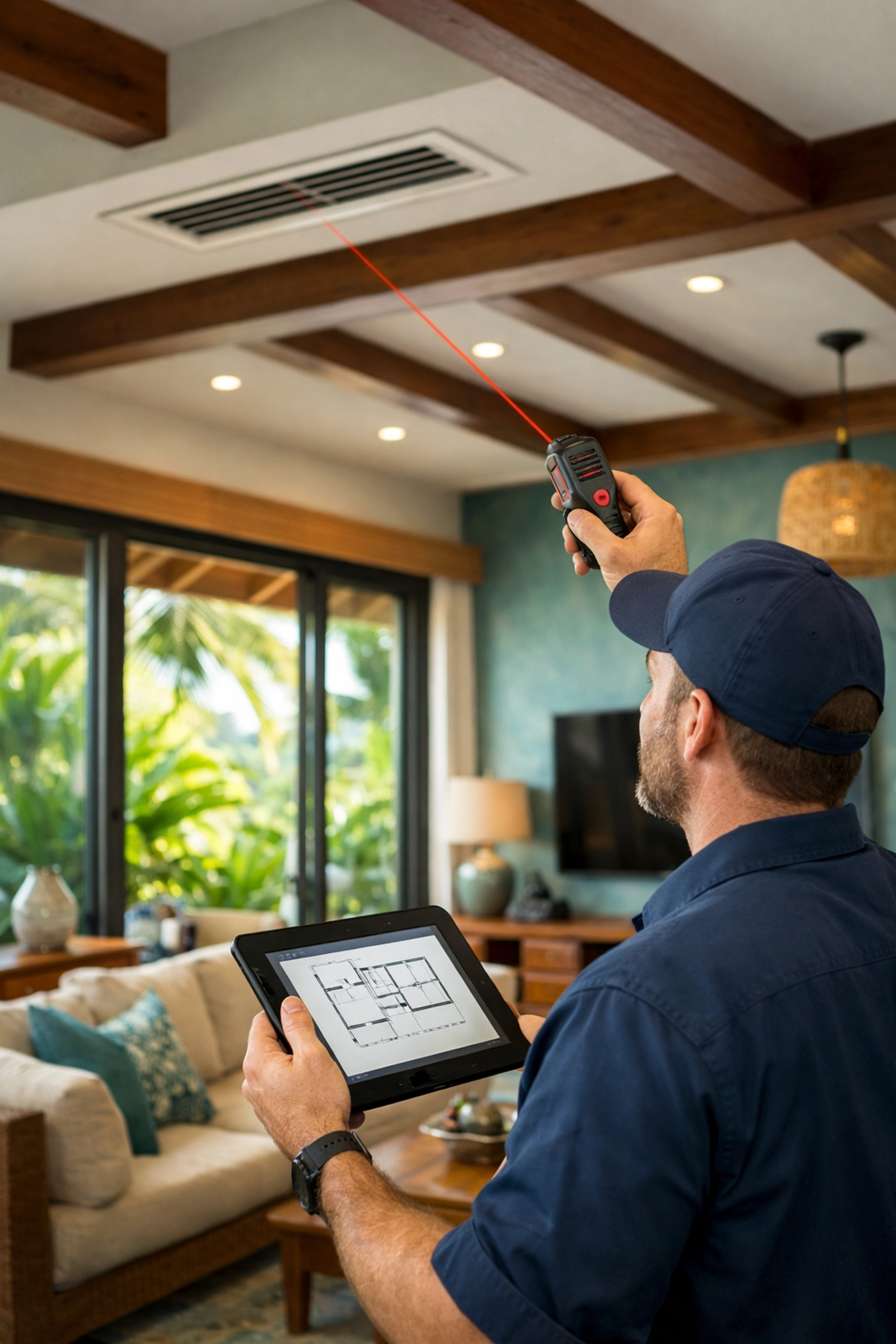
Start with a proper load calculation based on your specific property. This isn't just square footage, it's about understanding your building's unique heat exposure. Does the property have large windows facing west, catching that intense afternoon sun? Is there proper insulation in the attic space? Are you dealing with open beam ceilings that make cooling more challenging?
Properties with low heat conditions, think shaded windows and well-insulated construction, need different capacity than high heat properties with large window areas and direct sun exposure. A qualified HVAC Maui contractor should complete this load calculation before recommending any equipment. If they're giving you a price quote without measuring heat gain and loss, that's your sign to find someone else.
Step 2: Understand the New Refrigerant Requirements
If you haven't installed a new AC system in the past couple of years, you need to know about Hawaii's refrigerant transition. As of 2025, all new air conditioning installations in Hawaii must use low-GWP (Global Warming Potential) refrigerants, specifically R-32 or R-454B.
This isn't just an environmental feel-good regulation. It's the law, and it affects what equipment you can legally install. Older refrigerants like R-410A are being phased out, and while existing systems can continue operating, any new installation needs to comply with current standards.
For property managers, this means verifying that any air conditioning installation Maui contractor proposes uses approved refrigerants. Don't assume they're up to date, ask specifically which refrigerant the system uses and confirm it meets current Hawaii requirements. This protects you from potential compliance issues down the road and ensures your investment won't be obsolete in a few years.
Step 3: Verify Your Contractor's Credentials (Seriously)
Not every HVAC technician can legally work on modern air conditioning systems. Hawaii requires contractors to hold a C-52 Ventilating and Air Conditioning Contractor license for installation work. Beyond state licensing, technicians need EPA 608 certification specifically for the new refrigerants we just discussed.
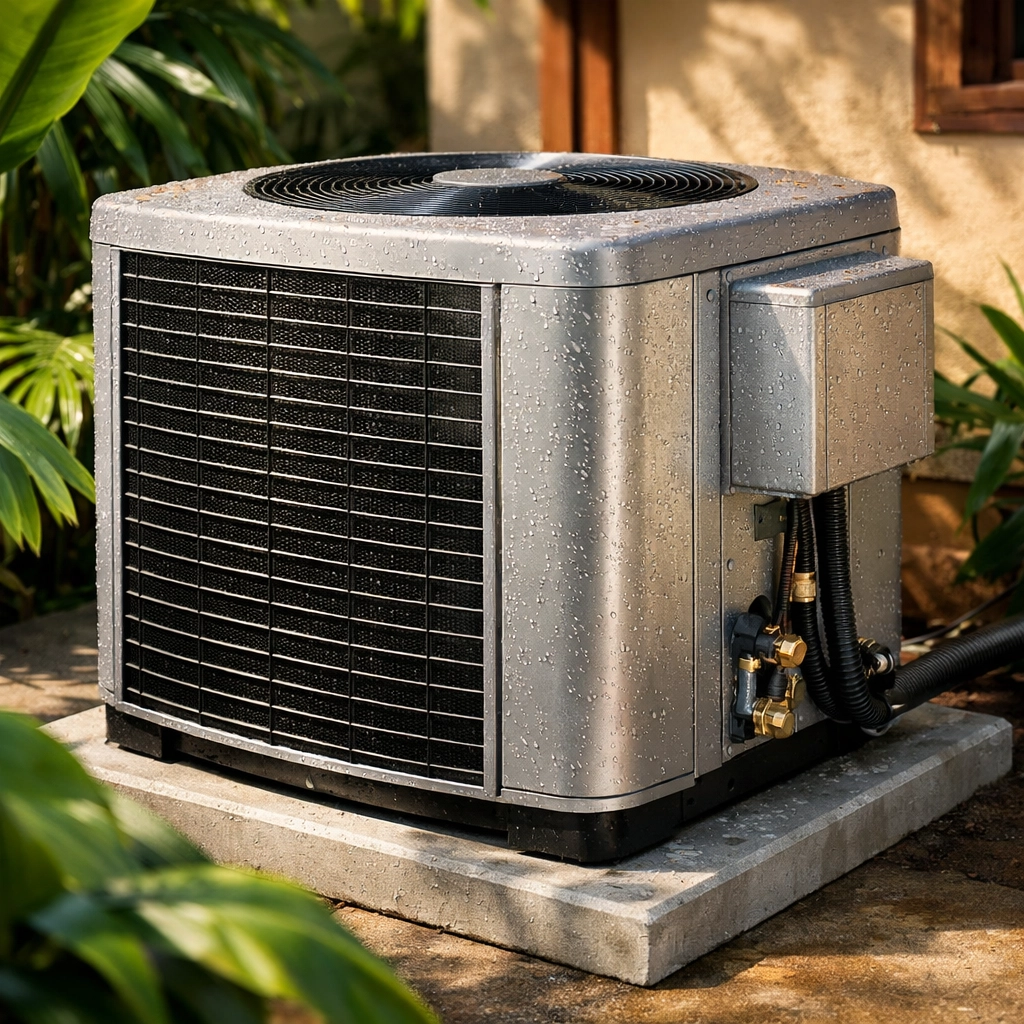
Here's where nearly 30 years of experience makes a real difference. At Alltemp, our technicians maintain current certifications for R-32 and R-454B installation and servicing, not because it's trendy, but because it's required to do the job right. We're fully licensed and insured, which protects both your property and our team during installation.
When evaluating contractors, ask about:
Current state licensing and EPA certifications
Experience with commercial vs. residential properties (they're different beasts)
24/7 availability for emergencies (because AC units don't respect business hours)
References from other property managers in Hawaii
A contractor might offer the lowest bid, but if they're not properly certified or can't respond when your system goes down on a Saturday night, you haven't saved money, you've just deferred the real cost.
Step 4: Don't Cheap Out on Efficiency Features
When you're managing multiple properties, energy efficiency isn't an abstract environmental concept, it's a line item that affects your bottom line every single month. The upfront cost difference between a basic AC unit and a high-efficiency system typically pays for itself within 3-5 years through lower energy bills.
Look for systems with a SEER (Seasonal Energy Efficiency Ratio) rating of 13 or higher. For context, older units might run at SEER 8-10, while modern efficient systems can hit SEER 16-20. Each point increase in SEER rating represents roughly 10% better efficiency.
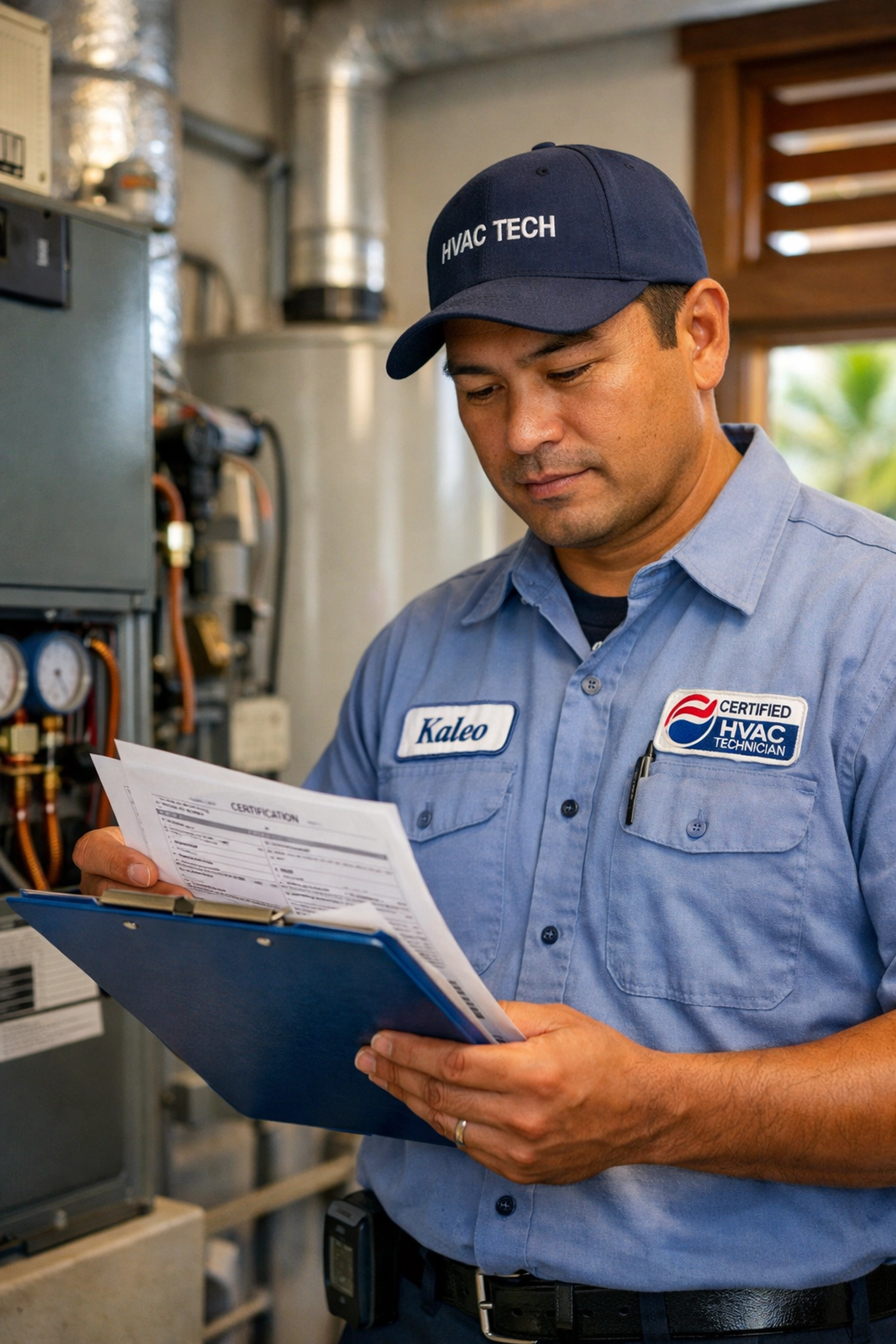
Beyond the SEER rating, consider these features that make a real difference for property managers:
Multi-speed fans and compressors adjust cooling output based on actual demand rather than running full blast or off. This improves comfort and efficiency while reducing wear on components.
Smart monitoring capability is especially valuable if you manage multiple properties. Instead of relying on tenant complaints to discover problems, you can track system health from a central dashboard and address issues before they become emergencies.
Proper ductwork insulation and sealing often gets overlooked during installation, but it's critical in Hawaii's climate. Ensure ducts have at least R-4 insulation and that all connections are sealed with mastic or aluminum tape with butyl adhesive, not standard duct tape, which degrades quickly in humid conditions.
Step 5: Set Up Preventive Maintenance From Day One
Here's a question worth considering: if you could prevent 80% of air conditioning failures with a simple maintenance schedule, would you do it? Most property managers would say yes, but surprisingly few actually implement preventive maintenance plans until after they've dealt with multiple emergency repairs.
The first year after air conditioning installation Maui properties is critical. This is when you establish baseline performance data and catch any installation issues before they cause major problems. A good preventive maintenance plan includes:
Quarterly inspections for commercial properties or semi-annual for residential
Filter replacements on schedule (not when someone remembers)
Refrigerant level checks to catch small leaks early
Electrical connection inspections
Condensate drain clearing to prevent water damage
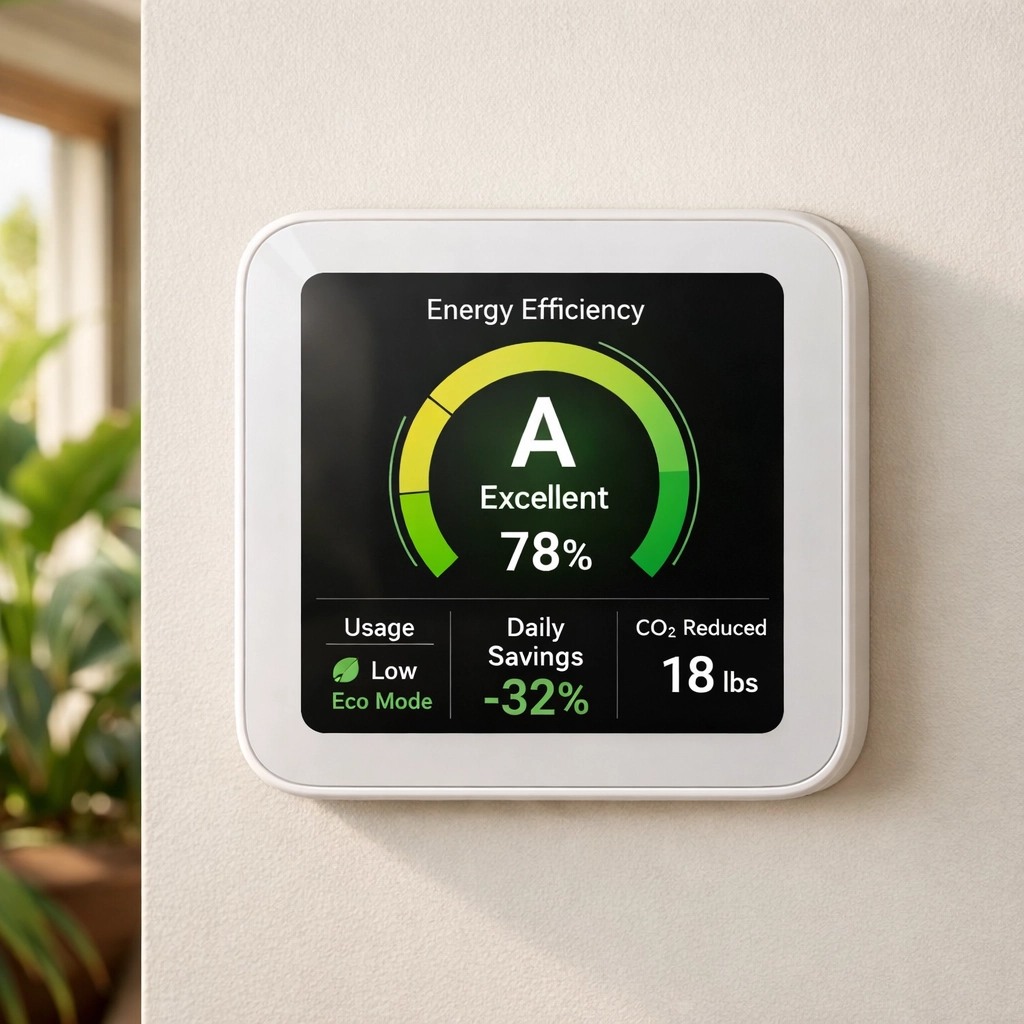
For property managers overseeing multiple sites, monitoring services that track system performance remotely make this process considerably easier. You can identify which properties need attention, make data-driven decisions about repairs versus replacement, and often catch problems before tenants even notice anything's wrong.
Alltemp offers comprehensive maintenance plans specifically designed for property managers who need reliable service across multiple locations. With 24/7 availability, we're there when you need us: whether it's a scheduled maintenance visit or an emergency call at 3 AM.
The Bottom Line for Property Managers
Choosing the right air conditioning system for your Maui or Oahu properties doesn't have to be complicated, but it does require more thought than simply accepting the first proposal that lands on your desk. Get proper load calculations. Verify refrigerant compliance. Check contractor credentials. Invest in efficiency. Plan for maintenance.
These five steps protect your investment, keep your tenants comfortable, and reduce those emergency calls that disrupt your evenings and weekends. Whether you're managing a small residential property or a portfolio of commercial spaces, the principles remain the same: do it right the first time, and you'll spend less time dealing with problems later.
Need help with air conditioning installation Maui or anywhere else in Hawaii? Alltemp brings nearly three decades of experience, current certifications for all required refrigerants, and round-the-clock availability when you need it most. Reach out to our team to discuss your specific property needs and get a proper assessment before making any decisions.
Comments