
A New Year Built on Proven Peak-Season HVAC-R Performance


As a new year begins, commercial spaces across Hawaii—malls, grocery stores, hotels, restaurants, and multi-site facilities—face a familiar reality: the quality of HVAC-R performance directly affects customer experience, operational efficiency, and risk management. For owners and operators, this raises a critical question: if your facility were evaluated from the customer’s perspective during peak demand, would your HVAC-R systems earn a passing grade?
The past year offered plenty of insight. In previous posts, we highlighted the challenges of maintaining reliable performance under everyday conditions. But it’s during the holiday season—the busiest, most demanding period of the year—that real-world performance is tested. Extended operating hours, increased foot traffic, and heavier refrigeration loads put systems under continuous strain, revealing issues that might remain hidden during normal operations.
The Holiday Sprint as a Real-World Exam
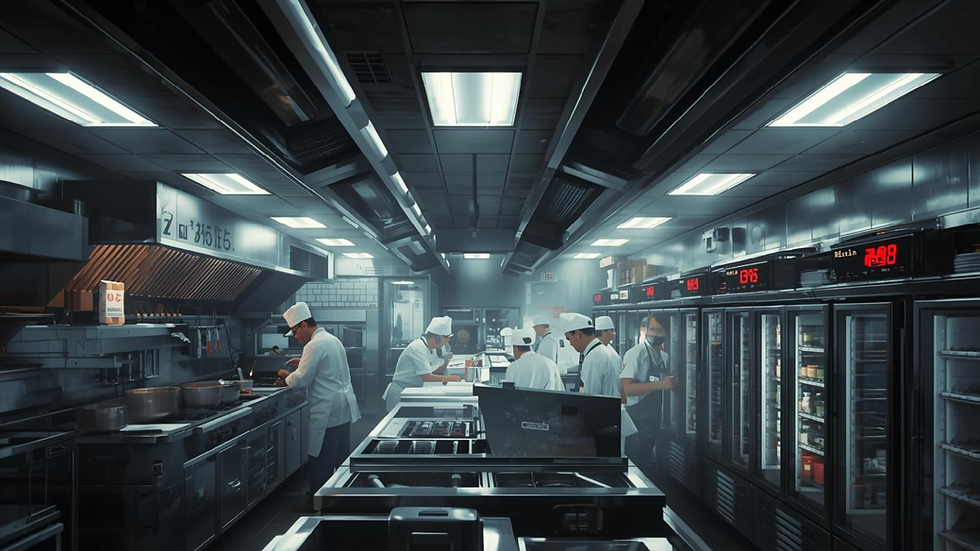
Peak periods often arrive without warning, yet the holiday season acts like an unavoidable stress test. HVAC-R systems are pushed to their limits, exposing vulnerabilities in both equipment and maintenance practices. During this time, owners may notice:
Zones with inconsistent temperatures or airflow
Refrigeration systems struggling to maintain precise setpoints
Components operating near failure thresholds
Maintenance gaps that were invisible under lighter loads
From the customer’s perspective, any of these shortcomings can translate into discomfort, inefficiency, or operational risk. The question remains: would you accept these results if you were the customer?
Turning Peak-Season Performance Into Insight

A new year presents the opportunity to treat these insights as more than just observations. Facility operators can use peak-season performance to make informed, proactive decisions that improve reliability and reduce risk. By analyzing where systems were stressed most, owners can:
Refine preventive maintenance schedules based on real operating conditions
Identify equipment that is consistently overworked or undersized
Plan phased upgrades before failures become urgent
Improve energy efficiency without sacrificing performance
These steps not only reduce emergency service calls and stabilize operating costs but also ensure that HVAC-R systems are performing at a level customers—and operators themselves—can trust.
Reliability Is Built, Not Assumed

Temporary fixes may restore operation in the short term, but they rarely improve long-term performance under sustained load. Repeated stopgap repairs can lead to higher energy use, increased downtime, and avoidable failures.
To earn a “passing grade” in the future, owners should focus on:
System resilience rather than repeated quick fixes
Proper load matching across cooling and refrigeration systems
Compliance with evolving efficiency standards, refrigerant regulations, and safety requirements
Well-maintained systems don’t just operate longer—they operate with confidence, especially when it matters most.
Preparing for the Next Peak

High-demand periods are inevitable. Being unprepared is not. Early in the year is the ideal time to:
Review holiday-period performance data with a critical eye
Inspect components that showed signs of stress under peak load
Correct airflow, control, or capacity issues before demand escalates
Prioritize upgrades or replacements that directly impact peak reliability
Preparation done proactively is always more cost-effective—and less disruptive—than emergency intervention during peak dem
Moving Forward With Confidence

The new year is not a reset; it is a continuation informed by real-world performance. By evaluating HVAC-R systems through the lens of peak-season reliability, and by asking the tough question—would this performance pass if you were the customer?—business owners can make smarter decisions about maintenance, upgrades, and long-term strategy.
When HVAC-R systems perform the way customers expect, they operate invisibly. And that is the highest grade a system can earn.
Sources
Why a High-Efficiency HVAC System Matters for Commercial Properties (installation, efficiency, and maintenance benefits) https://ambient-enterprises.com/news-insights/why-a-high-efficiency-hvac-system-matters-for-commercial-properties/ Ambient
Preventive Maintenance: The Key to Healthy Commercial HVAC Systems (system reliability and efficiency benefits) https://www.soulmechanical.ca/post/preventive-maintenance-the-key-to-healthy-commercial Soul Mechanical
Benefits of Commercial HVAC Maintenance (lifespan, indoor air quality, operational continuity) https://webflow.abm.com/perspectives/benefits-of-commercial-hvac-maintenance ABM
HVAC Preventative Maintenance: A Smart Investment (energy savings and lifecycle extension) https://atlasfacilities.com/hvac-preventative-maintenance-smart-investment/ Atlas Facilities Maintenance
HVAC System Efficiency: Why Routine Maintenance Is Essential for Commercial Spaces (energy and cost impacts) https://www.arkelconstructors.com/insights/hvac-system-efficiency-why-routine-maintenance-is-essential-for-commercial-spaces Arkel Constructors
Preventive Maintenance for Energy Savings (how regular maintenance prevents energy waste and inefficiency) https://ordnur.com/sustainability/preventive-maintenance-for-energy-savings/ ORDNUR
How Often Should Commercial HVAC Systems Be Inspected and Serviced (industry guidelines for inspection frequency) https://airpromaster.com/commercial-hvac/commercial-hvac-systems-service/ Air Pro Master
Preventative Maintenance for Commercial HVAC Equipment (best practices and efficiency savings guide) https://betterbuildingssolutioncenter.energy.gov/solutions-at-a-glance/preventative-maintenance-commercial-hvac-equipment
Comments