
Hawaii's New Green Fee: What It Means for Property and Business Owners
- Alltemp

- Sep 4, 2025
- 3 min read

Hawaii has taken a bold step by approving a first-of-its-kind climate impact surcharge, known as the "Green Fee." Beginning on January 1, 2026, the Transient Accommodations Tax (TAT) will rise by 0.75%, bringing the total to 11%. By mid-2026. With nearly 10 million annual visitors, the surcharge is projected to generate around $100 million per year, funds that will be dedicated to climate resilience projects, wildfire prevention, shoreline restoration, and vital infrastructure improvements.
HOW DOES IT IMPACT YOUR BUSINESS?

On the surface, this policy targets the tourism sector. But for Hawaii’s property owners, food and hospitality business operators, vacation rental managers, and Air-bnb hosts, the Green Fee has ripple effects that carry both risks and opportunities—especially when it comes to managing energy use and HVAC systems.
For many, the immediate concern is the rising cost of doing business. Hotels, resorts, and vacation rentals will need to absorb or pass on higher lodging costs to their guests. This may tighten operating budgets and, in some cases, delay large capital investments such as system upgrades. Guests may also become more sensitive to pricing, making it harder for some operators to justify improvements, even when they are tied to efficiency. At the same time, the Green Fee is directly linked to climate priorities, which means businesses will likely face increasing regulatory pressure to meet stricter energy and emissions standards. Falling behind could mean compliance challenges down the road.
NEW OPPORTUNITIES IT BRINGS

Alongside these risks are real opportunities. The state plans to use the Green Fee revenue to strengthen climate resilience, which opens the door for funding programs, grants, or incentives that can be applied to upgrading cooling and refrigeration systems. Property managers and hospitality operators who invest in modern, energy-efficient equipment and low-GWP refrigerants will be aligning themselves with Hawaii’s broader climate goals while also positioning their businesses as sustainability leaders. In today’s market, eco-conscious travelers are often willing to spend more at properties that demonstrate a commitment to green practices.
Another key benefit lies in resilience. Hawaii’s climate—hotter summers, high humidity, and the increasing threat of extreme weather events—places heavy demands on cooling systems. Reliable, climate-resistant HVAC systems can prevent costly downtime, protect valuable assets, and ensure guest comfort even during emergencies. Those who act early on upgrades will have a competitive edge, both in terms of performance and in attracting environmentally aware visitors.
IT’S TIME TO PUSH FOR THE UPGRADES
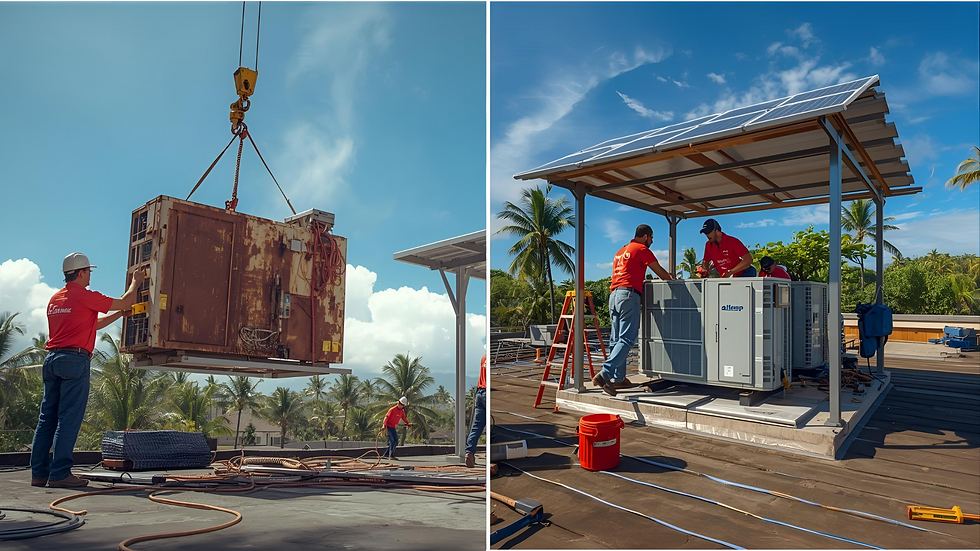
For years, many property owners and business operators have held off on major HVAC and energy efficiency upgrades, waiting for the right time. Now, with the Green Fee driving both costs and climate priorities, that moment has arrived. Existing rebate programs from utilities and state energy initiatives make it possible to cut down the upfront expense, and when combined with the future incentives tied to the Green Fee, the financial case has never been stronger. Instead of delaying, this is the time to take full advantage of these programs, modernize your systems, and secure lasting energy savings.
The bottom line is that the Green Fee doesn’t have to be seen purely as a burden. While it raises short-term expenses for the hospitality and property sectors, it also creates a path to long-term resilience and market differentiation. Property owners, restaurant operators, hotel managers, and Air-bnb hosts who embrace sustainability now will not only meet regulatory requirements but also strengthen their businesses for the future. By upgrading their systems, highlighting their eco-friendly practices, and tapping into new funding opportunities, they can turn the Green Fee into a powerful advantage rather than a challenge.
PLAN AHEAD WITH US

If you own or manage a property in Hawaii, now is the time to start planning. Our team of HVAC experts can help you assess your existing infrastructure and design a path to make your systems rebate-compliant, energy-efficient, and future-ready. Reach out to us today to schedule a consultation and ensure your property is prepared to benefit from upcoming programs while staying ahead of new regulations.


Comments