
Deferred Maintenance Has a Price Tag: HVAC & Refrigeration Planning for Hawaii Property Managers

Author: Alltemp | Published: September 23, 2026 | Read time: 7 minutes
Several developments across commercial property management are making one familiar reality harder to ignore: HVAC and refrigeration maintenance is not only a facilities issue. It is a capital-planning issue.
For property managers and resort or condo owners across Maui and Oahu, the signals may seem incremental: a coil that has not been cleaned, a walk-in cooler drifting a few degrees, an air conditioner requiring one more “temporary” repair. Yet together, these small decisions can reshape an annual operating budget through compressor failures, spoiled inventory, emergency labor premiums, and premature equipment replacement.
The critical question is not simply whether a building feels comfortable today. If the facility were evaluated from a budget, risk-management, and customer-experience perspective, would its HVAC-R systems earn a passing grade?
The cost of “it’s still running”
Deferred maintenance rarely announces itself with a dramatic warning. More often, the equipment continues operating, just less efficiently and with slightly more effort.
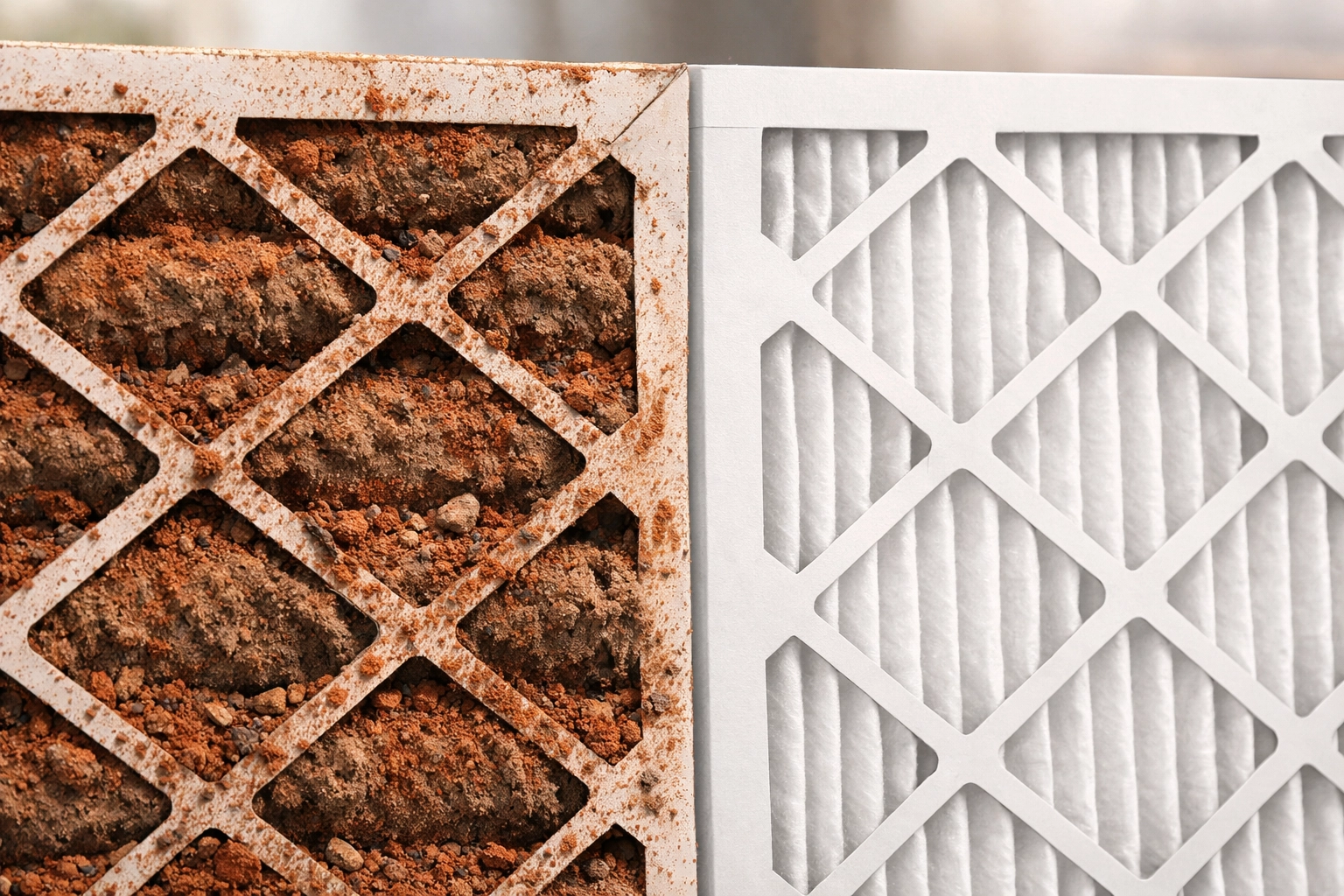
A filter becomes restricted. A condenser coil collects salt, dust, or landscaping debris. A refrigerant leak lowers system performance. A sensor begins reading inaccurately. The unit still cools, so the issue moves down the priority list.
That is understandable. Commercial properties have many competing demands: tenant requests, staffing, inspections, capital projects, and seasonal occupancy patterns. But HVAC and refrigeration equipment does not interpret “we’ll get to it next month” as a pause button.
It keeps running.
The result is similar to driving a vehicle past its oil-change interval. The engine may sound perfectly fine for a while, but the cost of neglect compounds quietly until a routine service item becomes a major repair. In Hawaii’s salt air, humidity, and year-round cooling conditions, the timeline may be shorter than property managers expect.
For facilities relying on air conditioning Maui conditions can challenge equipment every month of the year, not just during a traditional mainland cooling season.
How small maintenance issues become capital expenses
A deferred task can eventually appear in a completely different budget category.
A dirty coil may begin as a maintenance item. As heat transfer declines, the compressor works harder and runs longer. Electrical consumption rises. Operating temperatures increase. The compressor experiences additional stress.
Eventually, the compressor fails, and now the line item is no longer “coil cleaning.” It may include:
Emergency diagnostic labor
After-hours service premiums
Replacement components and freight
Temporary cooling arrangements
Tenant disruption or lost revenue
A full compressor or condensing-unit replacement
An unplanned capital expenditure
The original problem was not necessarily dramatic. The invoice may be.
The same pattern applies to commercial refrigeration. A walk-in cooler that is slowly drifting above its intended temperature is like a credit card quietly accruing interest. Each day may seem manageable, but the balance grows through energy waste, product risk, and increasing mechanical strain.
If the system eventually loses temperature during a busy operating period, the cost can include spoiled inventory, emergency procurement, staff disruption, and difficult conversations with tenants or operators. The refrigeration repair itself may be only one part of the total exposure.
Why Hawaii’s operating environment changes the calculation
Several factors make deferred HVAC-R maintenance especially consequential across Maui and Oahu.
Coastal air accelerates corrosion. High humidity places additional demand on cooling systems and condensate management. Volcanic dust, pollen, and airborne debris can restrict filters and coat coils. Geographic isolation may also mean longer lead times for specialized equipment or replacement parts.
None of these realities makes a failure inevitable. They do, however, raise the value of early information.
A property manager who knows that a condenser coil is losing performance can schedule service before peak occupancy. A manager who knows that a compressor is short-cycling can investigate before a major failure. A manager who sees that a walk-in temperature is gradually drifting can protect inventory before the alarm becomes a crisis.
That is where planned maintenance begins to overlap with capital planning. The objective is not simply to keep equipment operating. It is to understand which assets are aging, which are becoming inefficient, and which should be repaired, upgraded, or replaced on a deliberate schedule.
The math changes with better visibility
Traditional maintenance planning often relies on calendar intervals and technician observations. Those remain important, but Smart HVAC Monitoring can add another layer: performance data between service visits.
Depending on the system, monitoring may help identify changes in:
Runtime and compressor cycling
Temperature and humidity
Electrical consumption
Discharge or operating conditions
Refrigeration cabinet or walk-in temperatures
Repeated alarms and fault conditions
Equipment performance across multiple properties
This information can change a capital conversation from “the unit is old” to “the unit’s performance has been declining for six months, and replacement during the shoulder season may reduce operational risk.”
That distinction matters. Age alone does not tell the full story. A well-maintained older system may continue performing reliably, while a younger unit exposed to heavy use, poor airflow, or corrosive conditions may need closer attention.
Smart monitoring also gives property managers a clearer way to prioritize portfolios. A facility may have dozens of air handlers, rooftop units, split systems, walk-ins, and condensing units. Not every asset requires the same response at the same time.
The more useful question becomes: which equipment failure would create the greatest financial or operational impact?
High Pressure Hydro Jet Coil Cleaning: a maintenance task with budget implications
Coil cleaning can sound like a routine line item, and in many ways it is. But the method and frequency can influence system performance significantly.
When condenser and evaporator coils are coated with salt residue, dust, grease, or other buildup, the system has a harder time transferring heat. That can increase runtime, raise energy use, and place additional stress on compressors and fan motors.
High Pressure Hydro Jet Coil Cleaning is designed to remove stubborn buildup from coils and improve heat-transfer performance without treating cleaning as a quick visual rinse. For properties in coastal or high-use environments, this can be an important part of an energy savings and sustainability strategy.
The budget benefit is not only lower energy consumption. It may also include:
Reduced mechanical strain
More consistent system performance
Fewer nuisance calls
Better operating data
Longer useful equipment life
More time to plan eventual replacement

A simple deferred-maintenance checklist
A property-level HVAC-R review does not need to begin with a complicated software platform. It can start with a clear conversation and a basic asset list.
Use this checklist to identify where deferred maintenance may be hiding:
List each major HVAC and refrigeration asset by location, age, type, and refrigerant.
Identify equipment supporting critical spaces, including walk-ins, food-service areas, tenant spaces, and high-occupancy zones.
Review the last three years of repair and emergency-service records.
Flag units with repeated refrigerant additions, short-cycling, temperature drift, or recurring alarms.
Confirm filter, drain, electrical, safety-control, and coil-cleaning intervals.
Separate routine maintenance needs from likely capital replacements.
Identify which assets would create the greatest customer, tenant, inventory, or revenue impact if they failed.
Consider Smart HVAC Monitoring for equipment where early warning would materially change the response.
Schedule major work before peak demand rather than during it.
This process can also support conversations with owners, boards, and finance teams. “The unit is old” is a general observation. “This asset has required four emergency calls, has rising operating costs, and supports a temperature-sensitive space” is a capital-planning case.
Planning before the emergency invoice
There will always be unexpected failures. Preventive maintenance does not eliminate every risk, and no responsible property manager assumes that it can.
The goal is to reduce the number of failures that arrive without warning, and to make the remaining failures easier to manage.
Alltemp has served Hawaii since 1997, bringing nearly three decades of experience with commercial air conditioning and refrigeration in the islands’ demanding operating environment. The company is licensed and insured under Contractors License #C21867 and provides 24/7 emergency service when an HVAC-R issue cannot wait until morning.
That emergency availability matters. So does the work that happens before an emergency: documented inspections, targeted coil cleaning, equipment condition reviews, energy-efficiency planning, and monitoring that helps facilities make decisions with better information.
For property managers evaluating commercial HVAC and refrigeration planning in Hawaii, the larger question is whether maintenance is being treated as a recurring expense or as part of the property’s risk and capital strategy.
The distinction may seem subtle. The budget impact is not.
FAQ: Deferred HVAC and refrigeration maintenance
Is deferred maintenance always more expensive?
Not always immediately, but it increases the possibility that a manageable issue becomes an emergency repair. Additional labor premiums, freight, downtime, inventory loss, and collateral damage can make the eventual cost substantially higher than planned service.
How often should commercial coils be cleaned in Hawaii?
The appropriate interval depends on location, salt exposure, equipment type, operating hours, and the surrounding environment. Coastal, food-service, and high-use properties may require more frequent attention than a lightly used inland facility. A professional assessment can establish a practical schedule.
Can Smart HVAC Monitoring replace preventive maintenance?
No. Monitoring provides visibility and early warnings; it does not replace physical inspections, cleaning, testing, or repairs. Its value is that it can help property teams prioritize those actions before a small performance change becomes a major failure.
When should a property manager consider replacement instead of another repair?
Repeated emergency calls, rising energy use, obsolete components, refrigerant concerns, declining performance, and repair costs approaching a substantial portion of replacement cost may all justify a replacement review. The best timing is usually before the equipment fails during peak demand.
What should be included in a refrigeration maintenance record?
At minimum, keep service dates, temperature readings, refrigerant additions, leak-related work, coil-cleaning records, alarm history, replaced components, and technician recommendations. For broader planning, connect those records to asset age and replacement forecasts.
Comments